Millfields estate carpet cleaning guide for Lea Bridge
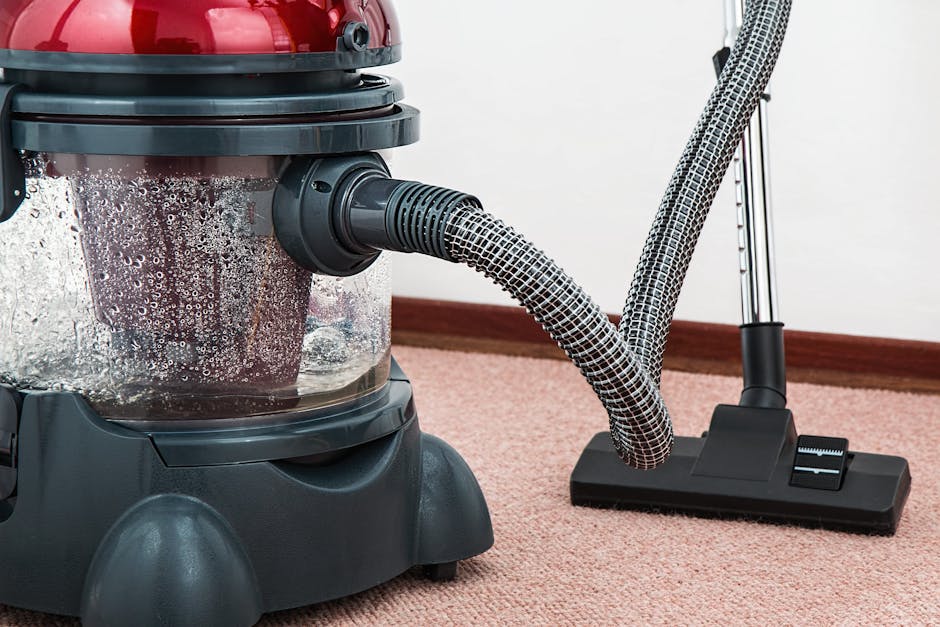
If you live in Millfields Estate and your carpets are starting to look a bit tired, this guide is for you. Spills happen, pets leave their mark, winter mud gets walked in, and somehow the hallway always seems to collect the worst of it. This Millfields estate carpet cleaning guide for Lea Bridge explains what professional cleaning involves, what to expect, and how to get better results without making life harder for yourself.
You will find practical steps, a useful comparison of cleaning methods, common mistakes to avoid, and a simple checklist you can actually use. I'll also flag the trust points that matter in a real home: drying times, stain risks, fibre care, and the small details that make a big difference. Truth be told, carpet care is one of those jobs that looks simple right up until you do it badly.
Expert summary: the best results usually come from matching the cleaning method to the carpet fibre, the type of soil, and the amount of moisture your home can comfortably handle. A rushed clean often leaves more trouble than it removes.
- Why it matters in Millfields Estate
- How the cleaning process works
- Key benefits and practical advantages
- Who this is for and when it makes sense
- Step-by-step guidance
- Expert tips for better results
- Common mistakes to avoid
- Tools, resources and recommendations
- Law, compliance and best practice
- Options and comparison table
- Case study or real-world example
- Practical checklist
- Conclusion
- Frequently asked questions
Why Millfields estate carpet cleaning guide for Lea Bridge Matters
Millfields Estate has the kind of everyday footfall that carpets never quite get a break from. Family homes, shared entrances, prams, school shoes, pets, work-from-home traffic, late deliveries - it all adds up. In Lea Bridge, that mix often means carpets pick up grime faster than people expect, especially near hallways, stairs, and living room routes.
Why does that matter? Because carpet is not just decoration. It affects how a room feels, how clean a property appears, and, in many cases, how long the flooring lasts before it starts looking worn. A dull carpet can make even a well-kept flat feel older than it is. On the other hand, a properly cleaned carpet can lift the whole space in one afternoon. You notice it straight away. The room smells fresher, the pile looks brighter, and the light seems to sit differently on the fibres.
This also matters if you are renting, preparing for guests, or trying to keep allergens and odours under control. No dramatic claims here, just plain reality: dust, food crumbs, pet hair, and damp residue do tend to build up in soft flooring. If you leave them alone for too long, stains can settle deeper and cleaning becomes more awkward. A little attention now often saves a bigger job later.
If you want a broader view of professional options, the main carpet cleaning service page is useful for understanding standard treatment types and what a cleaner typically covers.
How Millfields estate carpet cleaning guide for Lea Bridge Works
Professional carpet cleaning usually starts with inspection, not equipment. That sounds obvious, but it is the step many people skip when they try a quick fix. The cleaner needs to identify the fibre, look at wear patterns, spot stains, and decide how much moisture the carpet can take. Wool, synthetic blends, and older fitted carpets all behave differently.
In a typical Lea Bridge home, the process often looks something like this:
- Inspection and fibre check - identifying the material, backing, and condition.
- Dry soil removal - vacuuming thoroughly to lift loose grit before any liquid is introduced.
- Pre-treatment - applying a suitable solution to traffic lanes, spots, and stains.
- Agitation - gently working the solution into the fibres where needed.
- Extraction or cleaning - using the chosen method to remove soil and residue.
- Spot treatment - dealing with stubborn marks, if they are safe to treat.
- Drying guidance - helping you manage airflow and avoid re-soiling.
Different methods will achieve that in different ways. Some are better for deep soil, others for delicate fibres, and some are simply more convenient where access or drying time is tight. Let's face it, not every flat has the luxury of leaving every room out of action for half a day.
For example, steam carpet cleaning is often chosen for deeper soil removal in durable carpets, while gentler approaches may suit more sensitive fibres or lighter maintenance cleans. The right call depends on the carpet, not the trend.
Key Benefits and Practical Advantages
Good carpet cleaning gives you more than a tidy floor. The immediate benefit is visual, of course, but there are several practical wins that matter just as much in everyday life.
- Better appearance: brighter fibres, cleaner edges, and fewer visible traffic marks.
- Improved freshness: odours from pets, food, and damp shoes are reduced rather than masked.
- Longer carpet life: removing grit helps reduce abrasion on the pile.
- More comfortable rooms: soft flooring feels nicer underfoot once the embedded dust is lifted.
- Better impression for visitors or tenants: especially useful in hallways, lounges, and bedrooms.
- Stain management: fresh or recent marks can often be treated more effectively than old ones.
There is also a less obvious benefit: once carpets are clean, you tend to spot the rest of the room more clearly. Scuffed skirting, uneven lighting, that chair you meant to move three weeks ago - all of it becomes easier to notice. Which can be oddly motivating, in a mildly annoying way.
If the carpet problem is linked to furniture or upholstery, it can make sense to combine treatments. For instance, pairing carpet care with upholstery cleaning or sofa cleaning often gives a more balanced result in living rooms.
Who This Is For and When It Makes Sense
This guide is useful for a few different people, and the timing matters more than most realise.
- Homeowners who want to protect fitted carpets and keep the property feeling cared for.
- Tenants who need carpets refreshed before an end-of-tenancy inspection or move-out.
- Landlords and letting agents who need reliable, presentable flooring between occupancies.
- Pet owners dealing with recurring smells, hair, or accident spots.
- Families with spills, snacks, and the general chaos that comes with daily life.
- Small businesses with carpeted offices, waiting rooms, or reception areas in the Lea Bridge area.
It makes sense to arrange a professional clean when the carpet looks visibly dull, when vacuuming no longer restores the pile, or when a spill has left a lingering patch. It also makes sense after building work, a busy winter, or before a special occasion. Sometimes you just want the place to feel properly reset. That's fair enough.
If your property includes rugs as well as fitted carpets, it may be worth checking rug cleaning so you can keep the whole room consistent instead of only refreshing one surface.
Step-by-Step Guidance
Here is the practical version of how to approach carpet cleaning in Millfields Estate without overcomplicating it.
- Identify the carpet type. If you know whether it is wool, synthetic, or mixed fibre, you can avoid choosing the wrong treatment. If you do not know, an inspection should answer that quickly.
- Clear the room where possible. Remove small furniture, toys, cables, and fragile items. It saves time and helps the cleaner reach edges properly.
- Vacuum thoroughly. Dry soil is easier to remove than damp soil. This step matters more than most people think.
- Point out problem areas. Tell the cleaner about spills, pet accidents, older stains, and any spots you have already tried to treat.
- Choose the method carefully. Heavy traffic lanes may need deeper extraction, while lighter marks might only need targeted stain removal.
- Control moisture. Too much liquid can lead to longer drying times, wicking, or a stale smell if ventilation is poor.
- Ventilate the room. Open windows if weather and security allow, and use airflow to help drying along.
- Avoid walking on it too soon. Freshly cleaned carpet can pick up dirt again if you rush back across it with outdoor shoes.
A small but useful habit: take a quick photo of stubborn stains before treatment. Not for drama, just for comparison. It helps you see whether the mark is fading or if it needs a second pass. A very ordinary trick, but handy.
Expert Tips for Better Results
The difference between an average clean and a really good one usually comes down to care with the details.
- Test stain removers first. A hidden corner is better than a visible bleach patch. Obvious, but worth saying.
- Use the least aggressive method that solves the problem. Stronger is not always better.
- Treat spills quickly. Blot, do not rub. Rubbing pushes the mark deeper and distorts the pile.
- Work from the outside of a stain inward. That helps stop the mark spreading.
- Mind the carpet backing. Some carpets look fine on top but react badly to over-wetting underneath.
- Think about the whole room. If the carpet is clean but the curtains or sofa carry smoke, dust, or pet odour, the room still feels unfinished.
One useful pairing for heavily used living spaces is carpet cleaning plus curtain cleaning. Fabrics hold smells surprisingly well. You clean the floor, then the curtains quietly give the room the same old smell back. Slightly rude, really.
If you are dealing with recurring smells rather than visible marks, a targeted service like pet stain odour removal may be the better route than a generic refresh.
Common Mistakes to Avoid
Most carpet cleaning problems come from trying to do too much too quickly. That includes a few classic mistakes.
- Using too much water: carpets can stay damp underneath long after the surface feels dry.
- Scrubbing hard: this can fuzz fibres or spread stains.
- Mixing cleaners: combining products can leave residue or create unwanted reactions.
- Ignoring fibre type: a method that works on synthetic carpet may not suit wool.
- Cleaning around furniture and calling it done: the hidden areas often show the real wear.
- Walking on the carpet too soon: wet fibres attract dirt quickly.
There is also the "I'll just deal with it later" mistake. We all do it now and then. But old stains get stubborn, and once a spill has been ground in by everyday use, it becomes a much harder job. Not impossible. Just more annoying.
Tools, Resources and Recommendations
You do not need a huge toolkit, but the right kit makes life easier. For basic maintenance, a good vacuum, white absorbent cloths, and a gentle spot-treatment approach are usually enough. For deeper work, professional-grade extraction equipment and correct cleaning solutions make the difference.
Useful things to have in mind when planning carpet care in Millfields Estate:
- Strong vacuuming: especially for hallways and stairs where grit builds quickly.
- Microfibre cloths or white cotton cloths: useful for blotting without transferring dye.
- Protective pads for furniture: helpful when moving items back onto a fresh carpet.
- Airflow options: opening windows or using fans speeds up drying.
- Spot-treatment knowledge: different stains need different handling, and some are best left alone until inspected.
For broader home care, you may also want to coordinate carpet work with mattress cleaning or stain removal when odours or spills affect more than one soft furnishing. It is often more efficient than tackling each item separately.
Law, Compliance, Standards, or Best Practice
For a domestic carpet clean, there usually is not a complicated legal process for the homeowner, but there are still sensible standards to follow. In UK homes and businesses, the main expectations are straightforward: work safely, use products as intended, and avoid creating unnecessary damage or risk.
Good practice usually includes:
- Using suitable cleaning products for the surface and residue risk.
- Following safe handling guidance for detergents, pre-sprays, and spot treatments.
- Preventing slips and trips while floors are damp.
- Checking insurance and safety arrangements before allowing work in your home or building.
- Respecting property rules in flats, managed blocks, and rented homes.
If you are hiring a company, it is sensible to ask about their insurance and safety approach, especially where stairs, communal access, or delicate furnishings are involved. A decent provider should be able to explain how they manage risk without sounding vague or defensive.
For general service terms and expectations, it is also worth reviewing terms and conditions and the company's health and safety policy. That sounds dull, yes, but it avoids surprises later.
Options, Methods, or Comparison Table
Different carpets and different problems call for different methods. Here is a simple comparison to help you think it through.
| Method | Best for | Pros | Trade-offs |
|---|---|---|---|
| Hot water extraction / steam cleaning | Deep soil, general refresh, traffic lanes | Strong cleaning power, good for embedded dirt | More drying time; not ideal for every fibre |
| Low-moisture cleaning | Quick turnaround, lighter commercial or domestic maintenance | Faster drying, less disruption | May be less effective on heavy soiling |
| Spot and stain treatment | Specific marks, isolated spills | Targeted, cost-conscious, useful for small issues | Not a full clean; results depend on stain age |
| Dry cleaning methods | Delicate situations or limited moisture tolerance | Minimal downtime | May not remove deep grime as thoroughly |
For a lot of homes in Lea Bridge, the practical decision is between a deeper clean and a faster-drying clean. Which matters more: maximum soil removal, or getting the room back into use quickly? That is usually the real question.
If you need a method-focused overview, the steam carpet cleaning page can help you understand where high-moisture deep cleaning fits, and where a gentler approach may be smarter.
Case Study or Real-World Example
A common Millfields Estate scenario goes like this: a family notices that the living room carpet has gone flat in the walk-through area, with one dark patch near the sofa where a drink was spilled a few weeks earlier. Vacuuming keeps the surface tidy enough, but the room still feels a bit stale. Nothing dramatic, just not quite right.
In a situation like that, a sensible approach would be to inspect the fibre, pre-treat the traffic lane, address the spill carefully, and choose a cleaning method that balances soil removal with drying time. If the room also has a fabric sofa and heavy curtains, those may be contributing to lingering odour. In that case, carpet work alone can feel unfinished.
What usually happens after a proper clean is simple enough: the dark patch fades, the pile lifts, and the room suddenly looks lighter by daylight. Not magically perfect, just noticeably better. And the family often realises they should have done it sooner. Pretty standard, to be fair.
In more commercial settings, the same logic applies. Reception carpets and office walkways in the Lea Bridge area often need regular maintenance, which is why some businesses pair domestic-style cleaning with commercial carpet cleaning for higher-traffic areas.
Practical Checklist
Use this quick checklist before arranging or carrying out carpet cleaning in Millfields Estate.
- Have you identified the carpet fibre and condition?
- Have you noted visible stains, odours, and traffic areas?
- Have you moved small furniture and fragile items out of the way?
- Have you checked whether any spot treatment has already been tried?
- Have you considered drying time and room ventilation?
- Have you asked about safety, insurance, and product suitability?
- Have you compared whether a full clean or a targeted treatment is better?
- Have you planned where furniture will go once the carpet is dry?
- Have you set realistic expectations for old stains?
- Have you decided if nearby soft furnishings need attention too?
Quick takeaway: the best carpet cleaning outcome is usually the one that respects the fibre, the stain, and the drying environment. Simple in theory. A bit fiddly in practice.
For pricing, quotes, and practical booking details, you can review the page on pricing and quotes. If you are ready to plan a visit or ask about a specific room, the contact us page is the natural next step. And if you want to understand the business behind the service before you book, the about us page gives helpful background.
Get a free quote today and see how much you can save.
Conclusion
A solid carpet cleaning plan for Millfields Estate is not about chasing the fanciest method. It is about choosing the right approach for your carpet, your home, and your schedule. Get those three things aligned, and the result is usually far better than a rushed, one-size-fits-all clean.
Whether you are dealing with hallway grit, pet odours, a stubborn spill, or just the general tiredness that carpets collect over time, the same principle applies: inspect first, clean carefully, and allow proper drying. Do that, and the room tends to reward you quickly.
It is one of those home jobs that quietly changes how the whole place feels. A bit fresher, a bit calmer, a bit more looked after. And honestly, that matters.
Frequently Asked Questions
How often should carpets in Millfields Estate be professionally cleaned?
It depends on foot traffic, pets, children, and how quickly the carpet shows dirt. Many homes benefit from periodic deep cleaning when vacuuming no longer restores the look or freshness properly.
Is steam carpet cleaning safe for all carpets?
No, not automatically. Steam or hot water extraction suits many durable carpets, but delicate fibres, older backings, or moisture-sensitive installations may need a gentler method.
How long do carpets take to dry after cleaning?
Drying time varies with fibre type, ventilation, cleaning method, and how much moisture was used. A well-managed clean should include clear drying guidance, because damp carpets are awkward at best.
Can old stains be removed completely?
Sometimes, but not always. Older stains may have set into the fibre, dyed the material, or damaged the pile. Good stain treatment can still improve appearance, even if perfection is not realistic.
What should I do before a carpet cleaner arrives?
Remove small items, vacuum if advised, and point out the problem areas. If you have tried any DIY stain products, let the cleaner know which ones and when.
Is it worth cleaning carpets before moving out of a rented home?
Usually yes, especially if the carpet looks dull or has visible marks. It can help the property present better and may reduce the chance of avoidable disputes during inspection.
What is the best way to treat pet odours in carpet?
Pet odour often needs more than masking spray. A targeted treatment that addresses both the stain and the smell is usually the better option, especially if the issue has soaked deeper into the fibres.
Will professional cleaning remove all dust and allergens?
It can reduce a significant amount of embedded dirt, but no one should promise that a carpet becomes perfectly dust-free. Regular vacuuming and good room ventilation still matter.
Do I need to move furniture out of the room?
Not always, but moving smaller items helps a lot. Large furniture may be worked around, depending on access and the cleaning plan. Ask in advance so there are no surprises on the day.
What if my carpet is wool?
Wool needs a more careful approach than many synthetic carpets. The cleaner should check fibre type and choose products and moisture levels that suit the material. Wool can look beautiful, but it does not enjoy rough handling.
Can carpet cleaning help with a room that smells damp?
It can help if the odour is coming from trapped dirt, residue, or soft furnishing contamination. If the damp smell is caused by a leak, underlay issue, or moisture in the structure, that should be addressed separately.
How do I choose between a deep clean and a quick maintenance clean?
Think about the problem you are trying to solve. If the carpet is heavily soiled or visibly tired, deep cleaning makes more sense. If the room just needs a fresher look between bigger services, a lighter maintenance approach may be enough.
For anything involving product residue, waste handling, or broader sustainability concerns, you may also want to look at the page on recycling and sustainability. Small detail, yes, but it helps when you care about the whole process rather than only the visible result.